
Key Takeaways
- Distraction may be visual, manual, auditory, or cognitive, and can overlap.
- Phones, passenger requests, controls, paperwork, food, and updates compete with driving.
- Prepare before departure: confirm journey details, contacts, passengers, and vehicle settings.
- Keep communication away from the moving driver.
Introduction
Construction worker buses often run during early reporting hours, amid changing site schedules and busy Singapore traffic. The driver must watch traffic, vehicles, signs, and changing conditions. Unlike fatigue, which reduces alertness through tiredness, distraction redirects attention towards another sight, sound, movement, thought, or task.
What Driver Distraction Means Behind the Wheel
A competing demand may last seconds, yet it can interrupt driver attention. The cause is not always a phone. A control, passenger question, document, sudden noise, or operational thought can pull focus from driving. Several forms may overlap.
How Distraction Differs From Driver Fatigue
Fatigue comes from tiredness, insufficient rest, or prolonged activity. Distraction redirects attention. A rested driver can still be distracted by a phone, passenger request, or control adjustment. Understanding the difference between fatigue and driver distraction helps you address the actual cause.
The Four Main Forms of Driver Distraction
Understanding the four forms helps construction teams recognise driving distractions that may otherwise seem harmless.
Visual Distraction
Visual distraction happens when the driver looks from the road towards a screen, document, control, or bus activity. Even a glance can interrupt awareness. Repeated glances make it harder to track traffic conditions ahead.
Manual Distraction
Manual distraction occurs when a hand is used for something unrelated to vehicle control. Reaching for an object, handling paperwork, adjusting equipment, or opening food divides attention and may also pull the eyes away.
Auditory Distraction
Auditory distraction comes from sounds competing for concentration. Loud conversations, repeated calls, alerts, or sudden shouting can break focus even when the driver looks ahead. Excessive noise can disrupt awareness of road conditions.
Cognitive Distraction
Cognitive distraction happens when the driver is mentally occupied by a conversation, problem, instruction, or decision unrelated to the road. The driver may look ahead while processing a last-minute change or request.
Mobile Phones and Message Notifications
Phones can create several in-cab distractions at once. A notification draws attention, checking the screen requires sight, handling the device occupies a hand, and reading adds mental workload. Singapore’s mobile-device rules for drivers reinforce why phones should not compete with driving. Driver distraction is better controlled when urgent updates go through a designated contact.
Navigation and Dashboard Adjustments
Navigation can help, but entering details or studying a display while moving divides attention. The same applies to air-conditioning, audio controls, mirrors, and other functions. We recommend setting routine controls before departure and making changes only when stationary.
Passenger Noise and Requests Inside the Bus
Worker buses may carry larger groups during reporting and return journeys. Conversation is normal. Problems arise when noise, movement, or repeated questions compete with road awareness.
Loud or Sudden Conversations
A sudden shout or sharp rise in volume can pull attention towards the passenger area. The interruption may be brief, but traffic can change just as quickly.
Requests Made While the Bus Is Moving
Passengers may ask about arrival times, destinations, belongings, or route changes. Questions requiring explanation or decisions add cognitive load. When arranging transportation for larger groups of workers, we recommend a designated coordinator to handle queries during the trip.
Unexpected Movement in the Passenger Area
A dropped item, sudden movement, or disturbance can tempt the driver to look towards the rear. Clear pre-departure communication should tell passengers which coordinator or group representative to approach if assistance is needed.
Eating, Drinking and Searching for Objects
Eating or drinking may require a hand off the wheel, a glance away, or managing a spill. Searching bags or compartments can create a longer interruption. Documents, refreshments, and personal items should be organised before moving off.
Paperwork and Transport Information
Printed schedules, passenger details, site instructions, and notes belong before departure, not in the driving task. With recurring staff transport services, confirming journey information early helps reduce the need for drivers to check details while on the road. New updates can go through the operator or wait until stationary.
Why Last-Minute Coordinator Calls Need a Clear Process
Construction schedules change. Reporting times, return movements, or site instructions may shift. Calling the driver directly creates pressure to answer. Route changes should go through the operator or authorised contact for relay later.
Reducing Avoidable Interruptions Before Departure
Many interruptions begin with missing or unresolved information. We treat pre-departure preparation as a practical way to reduce driver distraction before the wheels turn.
Confirming Essential Journey Information
The driver should have the destination, reporting time, contact person, and access details before departure. This reduces the need to check messages, paperwork, or navigation later.
Establishing One Communication Contact
One designated contact between your construction team and transport operator prevents supervisors or workers from calling separately. Updates become much easier to consolidate.
Settling Passenger Queries Before Moving Off
Questions about destination, arrival, or group arrangements are easier to settle before departure. Once moving, a travelling coordinator can handle enquiries.
Organising Controls and Personal Items
Set navigation, air-conditioning, mirrors, documents, refreshments, and belongings before the trip. A few minutes of preparation removes several reasons to look away or reach for something later.
Keeping Communication Away From the Driver While Moving
Operational updates, passenger questions, and site instructions should go through the operator or designated coordinator while the bus is moving. This reduces pressure to answer calls, read messages, or solve non-urgent matters.
Information that can wait should be passed on once the vehicle is safely stationary. When you charter a shuttle bus for a work group, this discipline keeps passenger matters separate from the driving task.
Arrange Construction Worker Transport With A&S Transit
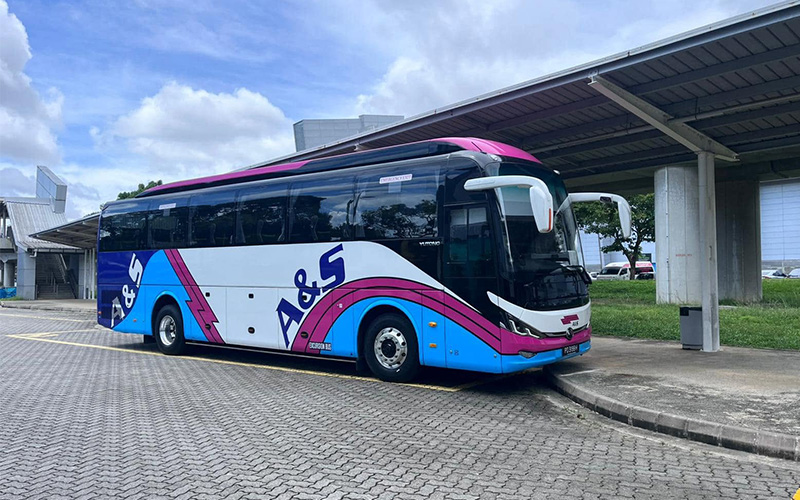
If you are planning recurring or project-based worker movements, start by agreeing on routes, reporting times, coordination, and a clear update process that keeps non-driving matters away from the driver while the bus is moving. A&S Transit brings more than 30 years of passenger transport experience in Singapore and operates over 100 buses, with 40- and 45-seater options for larger groups.
Speak with us about a customised transport arrangement that keeps your workforce organised and your drivers focused on the journey.