
Key Takeaways
- Plan around alertness. Early starts, repeated trips, and late changes can place demands on drivers.
- Watch for warning signs. Yawning, heavy eyelids, slower responses, and inconsistent vehicle control warrant attention.
- Communicate site changes early. Operators need time to reassess rest, assignments, and replacements.
- Put fitness to drive first. A delayed journey is easier to manage than an avoidable safety concern.
Introduction
Construction transport often starts before the morning rush and continues through site transfers, overtime, and evening returns. That pattern makes driver fatigue a practical planning issue. When concentration falls, every passenger relying on that journey can be affected.
What Fatigue Means Behind the Wheel
Fatigue is tiredness that reduces a driver’s ability to stay attentive. It can develop gradually as concentration starts to slip. A passenger can rest. The driver must keep reading signs, tracking vehicles, judging gaps, and responding from departure to arrival.
Why Construction Transport Can Place Pressure on Alertness
Construction schedules rarely fit standard office hours. Early reporting times, changing shifts, recurring transfers, and traffic conditions can affect driver alertness. Driver fatigue may build when insufficient rest combines with prolonged activity, repeated assignments, or irregular hours.
Early Starts and Irregular Hours
A site may require workers to arrive before activity begins, making departures earlier than usual. When reporting times change frequently, drivers may have less opportunity to recover before the next assignment.
Repeated Trips and Long Operating Periods
One transfer can feel manageable. Several consecutive transfers demand sustained concentration. Each trip requires attention through changing traffic. Waiting between runs is not recovery if the driver is still monitoring instructions or preparing for another departure.
Delays and Late Schedule Changes
Overtime, wet weather, site conditions, or delays can push a planned return later. Early notice gives your operator more time to decide whether the assignment should continue, pause, or assign another driver.
How Fatigue Can Affect Driving Performance
Driving is a continuous sequence of observations and decisions. Driver fatigue can weaken several abilities at once. Singapore’s Traffic Police advises heavy-vehicle drivers to rest well and stop driving when feeling tired. Preventing drowsy driving is especially important when a bus is carrying a larger group of passengers.
Slower Reaction Time
When traffic slows suddenly or another vehicle brakes, a tired driver may take longer to respond. On busy roads, even brief hesitation reduces the time available for a controlled response.
Reduced Concentration and Awareness
As tiredness increases, sustained attention becomes harder. A driver may miss a sign, overlook changing traffic, or lose track of surrounding road users. Safe bus operation depends on consistent awareness.
Weaker Judgement
Fatigue can affect estimates of speed, distance, and developing risk. Routine decisions may take longer or become less consistent near merging traffic, junctions, or worksites.
Inconsistent Vehicle Control
Uneven speed, delayed braking, missed turns, or difficulty holding a steady lane can indicate reduced attention. No single mistake proves tiredness, but a pattern matters when it appears alongside other signs.
Brief Lapses in Awareness
Severe tiredness can cause short involuntary lapses in awareness. The vehicle keeps moving while the driver may not fully register road or lane changes. Because the driver may not realise how much attention was lost, intervention should not wait for an incident.
Recognising Common Warning Signs
Repeated yawning, heavy eyelids, frequent blinking, difficulty focusing, and trouble keeping the head upright are common fatigue warning signs. Slower answers, poor recall, missed turns, uneven speed, or delayed reactions can reinforce the concern. When several signs appear together, do not dismiss them.
Realistic Schedules Support Responsible Driver Deployment
A transport plan needs more than estimated driving time. Allow for boarding, traffic variation, waiting, and reasonable recovery between assignments. Congestion, roadworks, rain, and incidents can disrupt a tight timetable. Whether you arrange a charter shuttle bus or a recurring route, reliability should come from realistic coordination, not pressure to recover lost minutes.
Fatigue Concerns Require Shared Responsibility
Managing driver fatigue works best when the driver, operator, and construction coordinator communicate early. Each party sees a different part of the operating picture, so decisions improve when information about rest, assignments, site changes, and expected return times is shared before the next journey.
The Driver’s Role
Drivers should report when changes in alertness affect their fitness to continue. Speaking up early gives the operator more options and reduces pressure to make a last-minute decision after passengers assemble.
The Transport Operator’s Role
The operator should consider recent assignments, total operating time, available rest, and the demands of the next trip. Completing one journey does not automatically mean the driver is ready for another request.
The Construction Coordinator’s Role
You can help by confirming reporting times, overtime, return windows, and changes early. If site work runs late, reassess the transport plan rather than extending it without discussion.
Why Rest or Replacement Comes Before an Unrealistic Schedule
A timetable can be adjusted. Alertness cannot be restored by encouragement. When driver fatigue affects a driver’s ability to continue safely, the practical response may involve rest, reassignment, or driver replacement. Taking reports seriously also helps drivers raise concerns before they become urgent.
How One Fatigued Driver Can Affect Workforce Movement
A construction bus may carry dozens of people to one reporting point. If the driver cannot continue, a group may wait while the operator organises rest or replacement. Early reporting creates more room to adjust the company bus service without pressuring the driver to meet an unrealistic departure time.
Arrange Dependable Worker Transport with A&S Transit
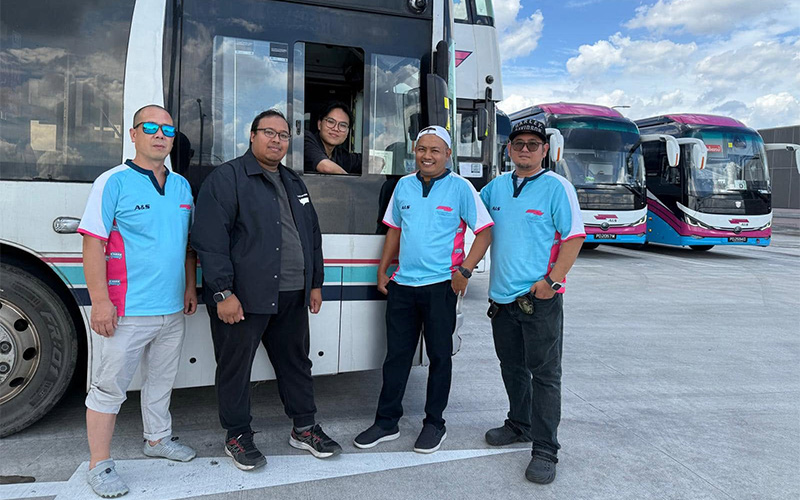
Reliable worker transport is not only about arriving on schedule. It is about planning journeys around people, operating realities, and responsible deployment. A&S Transit brings more than 30 years of passenger transport experience, a fleet of over 100 buses, and 40- and 45-seater options for larger groups.
If your site needs recurring or project-based transport, speak with us early about reporting times, route patterns, overtime, and schedule changes. We can plan driver deployment and recovery around those demands, helping your workforce move dependably without turning fatigue into a last-minute issue.