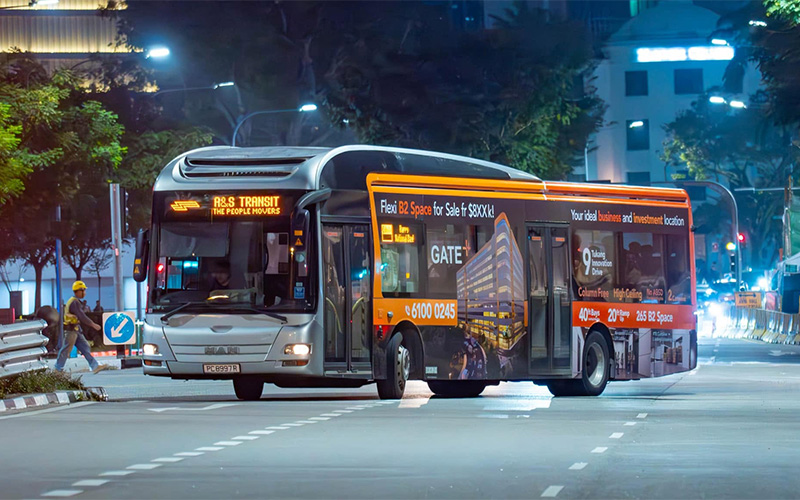
Key Takeaways
- Identify the vehicle first. Requirements differ across vehicle categories.
- Respect approved capacity. Spare space does not create additional passenger capacity.
- Assign clear ownership. Teams, providers, and drivers need defined responsibilities.
- Review changes. Manpower, vehicles, project phases, and regulations can shift.
Introduction
Construction transport may look like scheduling, but worker transport regulations require broader oversight. You need to know whether the vehicle is suitable, passenger numbers are appropriate, the provider and driver are authorised, and your company is checking the arrangement.
The aim is practical control without expecting project staff to interpret regulations. Clear responsibilities, records, and reviews help you manage journeys while recognising that rules differ by vehicle type.
Why Management Oversight Matters for Worker Transport
Engaging an external provider does not remove your company from the arrangement. Give a clear brief covering worker numbers, pick-up and drop-off points, shift times, recurring or ad-hoc needs, and items workers may carry. This supports better planning and stronger compliance with worker transport requirements.
We recommend dividing responsibilities before service starts. Project management may approve the arrangement, a site representative may monitor loading, and administration may hold provider records. The operator and driver retain operational duties. Clear ownership supports prompt follow-up on concerns.
Different Vehicles Are Governed by Different Requirements
When applying worker transport regulations, start by identifying the vehicle being deployed. Registration, permitted use, and operating conditions differ across buses, lorries, and other categories. Confirm the vehicle type before deciding which requirements apply instead of treating one mode’s rules as universal.
Upcoming Changes to Caged-Lorry Worker Transport
From 1 January 2027, Singapore will ban workers from being ferried in caged lorry decks. Caged lorries may still carry goods and equipment, while companies needing dual-use rear decks can consider alternative configurations. The 2027 deadline makes early planning important for firms using this method.
If your projects are affected, review routes, shift patterns, workforce numbers, and passenger options early. Early preparation gives teams time to assess suitable alternatives.
Matching the Vehicle to Its Intended Use
A vehicle may look large enough without being suitable for the intended passenger movement. Check its registered category, permitted use, and operating conditions. For recurring worker transport, ask the provider to confirm that the deployed vehicle is appropriate for your workforce rather than relying on appearance or assumptions.
You do not need to administer the provider’s licensing process. You do need confirmation that the vehicle supplied matches the service requested.
Checking Seating, Occupancy and Usable Passenger Space
Match headcount against approved passenger capacity limits, not how many people seem able to fit. A short journey or unused floor area does not justify extra passengers. Plan each shift around assigned capacity and reassess when manpower changes.
Seats, aisles, doors, and access points should remain usable. Personal belongings should not obstruct movement or reduce practical passenger space. If numbers grow, review the arrangement rather than forcing more people into the same vehicle.
Separating Passenger Transport from Goods and Equipment Movement
Workers and site materials create different transport needs. Bulky tools, machinery, and heavy goods should not be added to a passenger load because visible space remains. Separate planning protects seating, access, and the vehicle’s intended function.
Small personal items may travel with workers when stored appropriately. Larger equipment needs a separate movement plan based on size, weight, and handling requirements. Keeping these functions distinct also makes a company bus service easier to manage because the passenger count remains clear.
Appointing Properly Authorised Operators and Drivers
Ask the provider to confirm that it can deploy the correct vehicle and a driver with the required licences. An authorised bus operator should be able to explain what is being supplied and provide requested vehicle and driver details.
Your firm does not need to manage those licences. Avoid treating authorisation as an assumption. Confirm it during onboarding and question unexpected vehicle or driver changes.
Defining Internal Responsibility, Records and Reporting
Managing compliance with worker transport regulations requires traceability. Nominate one person or team to own the arrangement internally, whether that sits with project management, operations, administration, HR, or a site representative.
Keep records together: agreed service details, provider information, vehicle or driver particulars supplied, reported concerns, incident communications, and confirmed changes. The purpose is not paperwork for its own sake. It makes service arrangements and follow-up actions easier to verify.
Workers and supervisors also need a clear reporting route. Suspected overcapacity, unsuitable vehicles, unexplained substitutions, or other concerns should reach someone empowered to act. Documenting reports reduces the chance of important issues disappearing into informal messages.
Separating Legal Requirements from Company Standards
Your company may set standards above the legal minimum, such as requiring seated travel, choosing larger buses for certain groups, or keeping more detailed records. These measures can strengthen control, but they should be described accurately.
Label internal measures as company standards unless expressly required by law. This helps distinguish worker transport regulations from operating preferences and helps managers identify compulsory requirements and additional safeguards.
Reviewing Arrangements When Conditions or Regulations Change
Construction projects evolve. Headcount changes, subcontractors rotate, shifts move, work phases develop, and different vehicles may be introduced. An arrangement that worked at mobilisation may not remain suitable months later.
Review transport when meaningful changes occur. Confirm responsibilities, intended vehicle use, permitted passenger numbers, and whether earlier concerns were resolved. Your review should also check whether worker transport regulations have changed since the arrangement was first approved.
Arrange Construction Worker Transport with A&S Transit
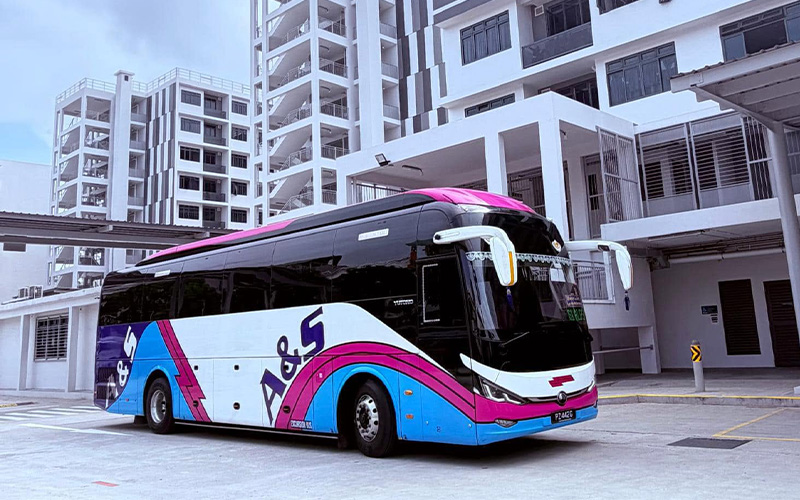
Turn these requirements into a practical transport brief. Confirm routes, shift timings, headcount, vehicle needs, reporting contacts, and how changes will be handled before service starts. This gives your team and provider a basis for dependable charter bus services as conditions evolve.
A&S Transit has more than 30 years of industry experience and a fleet of over 100 buses, including 40- and 45-seater options for larger groups. We support ad-hoc and recurring arrangements across Singapore, with customised planning for project needs. Contact us to discuss a worker bus arrangement built around your requirements.