Key Takeaways
- Work backwards from the training start time when setting pickup and reporting times.
- Confirm headcount early so bus capacity suits the group and programme.
- Check venue access, waiting requirements, contingencies, and return arrangements before booking.
- Give participants one clear travel note with timings, meeting points, and contact details.
Introduction
Training days involve more than trainers and rooms. When employees travel to an external venue together, the journey becomes part of the programme. A well-planned business transport service helps registration and opening briefings run on schedule. We treat transport as an operational workstream: headcount, pickup, access, waiting, return timing, and communication should be settled early.
Why Training Day Transport Needs Proper Planning
Participants should arrive together, relaxed, and ready to begin. That matters for onboarding, safety briefings, workshops, and team learning. Use one reporting point and one organiser for travel updates.
Singapore venues may be inside hotels, business parks, industrial estates, conference facilities, or learning centres. A business transport service gives you greater control over group arrival. If peak-hour traffic or a vehicle problem disrupts the route, the provider should have a clear escalation process.
Matching Transport to the Type of Training Day
Start with the programme, not the bus. A half-day seminar may need one direct transfer. A full-day workshop may involve outbound travel, lunch movement, waiting, and return travel. Offsite training travel gets more complex when different teams, shifts, or sites are involved, so we map each movement separately.
Multi-shift teams can use staggered pickups. During peak hiring, add vehicles or use larger buses without redesigning every route. A flexible company bus service helps when training demand changes across departments or onboarding batches.
Confirming Headcount Before the Training Day
Count employees, trainers, facilitators, managers, and support staff. Separate confirmed passengers from tentative attendees, then set a final confirmation deadline for vehicle planning.
Headcount affects seating, boarding time, equipment space, and whether one vehicle can keep the group together. A business transport service should match actual demand. Smaller groups may need a compact bus; bigger cohorts may suit a 40- or 45-seater.
Setting Pickup Time Around the Training Start Time
Work backwards from when participants must be inside the room. Include reporting, boarding, road travel, alighting, walking, registration, and a sensible buffer. Build in contingency time rather than assuming perfect traffic.
Peak periods, rain, incidents, and congested entrances can change Singapore journey times. With a corporate shuttle service, ask how delays and breakdowns are communicated, who contacts the organiser, and whether an alternative vehicle can be deployed. Compare each provider’s contingency readiness.
Planning Return-Trip Timing After the Session Ends
Do not treat the published end time as the departure time. Questions, certificates, photographs, debriefs, or networking may push movement later. Set a gathering time and tell participants exactly where to meet.
If the session may overrun, agree on a waiting window. If the vehicle must leave promptly for another assignment, you should know beforehand. When using a private bus service, make sure both sides understand the complete itinerary.
Checking Venue Access Before Arrival
Confirm where the bus can enter, stop, and collect passengers. Some venues have coach bays; others have narrow entrances, security checks, or limited waiting space. Industrial locations may require visitor clearance.
Review LTA’s current bus requirements, including applicable vocational licensing requirements for private-hire bus drivers. Ask prospective providers to explain maintenance, insurance, driver assignment, and vehicle-replacement procedures before booking.
Accounting for Waiting Time During the Programme
Waiting applies when the same vehicle is needed again soon, such as for lunch transfers, site visits, split-location workshops, or a half-day return. Tell the provider the expected duration and intermediate movements upfront.
It also affects pricing. Ad-hoc charters and recurring arrangements cannot be compared fairly without matching route, duration, vehicle size, frequency, and standby requirements. For repeat training, request per-trip and recurring-service quotations so procurement can compare costs.
Choosing Between a Smaller Bus and a 40- or 45-Seater Bus
Smaller buses can suit management groups, facilitators, or compact teams. Larger 40- or 45-seater buses are practical when an onboarding batch, department, or safety-training cohort should arrive together.
One larger vehicle can simplify attendance and coordination. Several smaller vehicles may suit different pickup areas or restricted access. Choose a charter shuttle bus based on your movement pattern, participant count, and site constraints.
Sharing the Final Travel Details with Participants
Send one travel note covering the pickup point, reporting time, departure, venue, expected arrival, return meeting point, return timing, and organiser contact. For unfamiliar sites, include the entrance or a landmark.
If GPS tracking is available, decide how you will use it. Live location may help anticipate arrival, but HR attendance integration depends on the provider’s technology. Use tracking only where it solves a coordination problem.
Preparing the Details Before Booking Transport
Before confirming a business transport service, prepare the pickup location, venue, headcount, reporting time, training start, expected finish, return plan, waiting requirements, and access notes. Flag mobility needs, bulky materials, multiple stops, security clearance, or shift-specific movements.
Check what each quotation includes: waiting, parking, ERP charges, extra stops, overtime, and schedule changes. For recurring programmes, compare ad-hoc and repeat arrangements using the same assumptions.
Keeping Training Day Travel Simple and Organised
The goal is to remove uncertainty. We focus on who is travelling, when they must arrive, where the vehicle can go, what happens between movements, how updates are shared, and how everyone returns.
A dependable business transport service should simplify coordination for the organiser. When timing, access, vehicle size, communication, and contingencies are agreed early, you can focus on training rather than scattered arrivals.
Planning Training Day Travel with A&S Transit
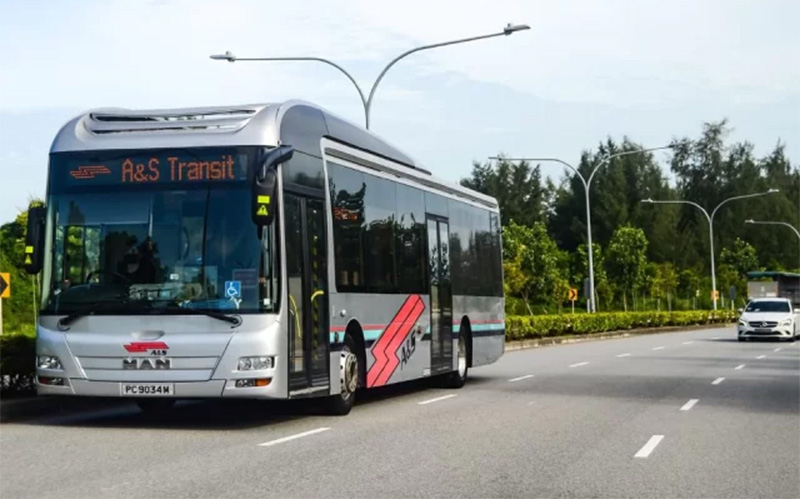
Send us the practical details: headcount, pickup point, training venue, reporting time, session timing, waiting needs, and return plan. With more than 30 years of experience, a fleet of over 100 buses, 40-seater and 45-seater options, and customised arrangements, A&S Transit can help shape transport around your programme. Share your itinerary with our team, and we can work through a suitable arrangement with you.