
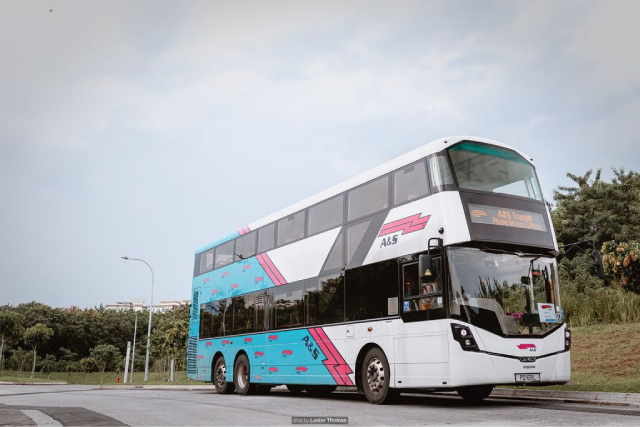
With Singapore’s climate becoming increasingly unpredictable, employers and transport operators must be proactive in anticipating and reducing the risks posed by adverse weather. Careful planning ensures that workers are transported safely, schedules are maintained, and disruptions are minimised. For many companies, using a bus charter or a 40-seater bus in Singapore is a reliable way to move large groups of workers. However, these vehicles and services still require thoughtful weather planning to keep journeys safe and efficient.
This article explores practical strategies for weather planning in worker transportation, drawing on regulations, fleet management practices, and actionable steps that organisations can adopt.
What Risks Do Weather Events Pose To Worker Transportation
Rainstorms, haze, strong winds, lightning, and heat stress are all common occurrences in Singapore. Heavy rain reduces visibility, increases the risk of accidents, and often causes flooding in low-lying areas. Strong winds may damage road infrastructure or cause debris hazards, while haze and high heat levels affect workers’ health, leading to respiratory strain or heat exhaustion. When weather deteriorates suddenly, worker safety, schedule reliability, and vehicle performance can all be compromised.
Understand Relevant Regulations And Guidelines
Singapore’s Ministry of Manpower and the Workplace Safety and Health Council have provided guidance on how workplaces should prepare for adverse weather. These include considerations for strong winds, heat stress, flooding, and lightning. While not always legally binding, these recommendations form an important framework for protecting workers. Employers who provide transportation must therefore align their plans with these safety guidelines, ensuring that drivers and staff know what actions to take when conditions reach risk thresholds.
Develop Robust Pre-Trip Monitoring Procedures
Every journey should begin with a thorough check of the weather forecast. Reliable meteorological tools and mobile applications can provide real-time updates on storms, wind speed, visibility, and temperature. Organisations should set internal thresholds for decision-making, such as delaying departures when rainfall intensity is high or routes are likely to flood. Clear communication channels between transport teams and drivers are essential so that sudden weather changes can be addressed without delay.
Use Fleet And Vehicle Strategies That Mitigate Weather Risks
Choosing vehicles that are suited for different weather conditions is an important part of planning. For example, a 40-seater bus in Singapore should be properly maintained, with working lights, effective wipers, tyres with adequate tread, and reliable air-conditioning and ventilation systems. In areas prone to flooding, buses with higher ground clearance can provide added safety. Having backup vehicles on standby is equally important, as it ensures that operations can continue even if a bus becomes unfit for use due to weather damage.
Plan Routes And Schedules With Flexibility
Route planning plays a major role in weather safety. Drivers should avoid flood-prone areas, narrow roads exposed to high winds, or areas where traffic bottlenecks are likely during storms. Buffer time should also be built into transport schedules, as heavy rain often slows traffic significantly. Workers should have access to covered shelters or safe waiting points near collection areas, and flexible transport options should be in place to adjust routes or timings when weather conditions change.
Train Drivers And Staff For Emergency Conditions
Drivers must receive training on how to handle severe weather conditions. This includes safe driving techniques for heavy rain, when to pull over in poor visibility, and what to do in the event of flooding. They should also be familiar with emergency communication protocols and passenger safety procedures. Staff who coordinate worker transport must understand the signs of heat stress or respiratory strain and be prepared to respond appropriately.
Provide Worker Education And Clear Communication
Workers themselves play a role in ensuring safe transportation during poor weather. They should be advised on appropriate attire, encouraged to carry rain gear, and reminded of the importance of staying hydrated in hot conditions. Clear communication systems such as messaging apps, SMS alerts, or phone calls can be used to provide weather advisories and update departure times. Workers should always know who to contact if there are delays or sudden changes to transport arrangements.
Maintain And Inspect Equipment Regularly
Preventive maintenance is one of the strongest defenses against weather-related risks. Vehicles should undergo regular checks of tyres, braking systems, wipers, windows, seals, and ventilation. Air-conditioning systems are especially important in preventing heat stress, while roofs and doors should be inspected to ensure they remain watertight during heavy downpours. Infrastructure such as waiting shelters and bus stops should also be inspected, ensuring they have proper drainage, non-slip surfaces, and adequate lighting.
Review And Update Response Plans Yearly
Weather patterns in Singapore are shifting due to climate change, making it essential for organisations to revisit their transportation safety plans regularly. What was effective five years ago may no longer be sufficient. Companies should conduct annual reviews of their emergency response plans, taking into account recent weather incidents and feedback from drivers and workers. Drills or simulations can also help improve preparedness and highlight gaps in procedures.
Conclusion
Ensuring safe worker transportation in unpredictable weather requires careful planning, well-maintained fleets, trained personnel, and open communication. A&S Transit remains dedicated to supporting businesses in transporting workers safely and reliably, no matter the weather. When you need trusted solutions for worker transport, A&S Transit provides the expertise and dependability to keep your workforce moving securely.
