
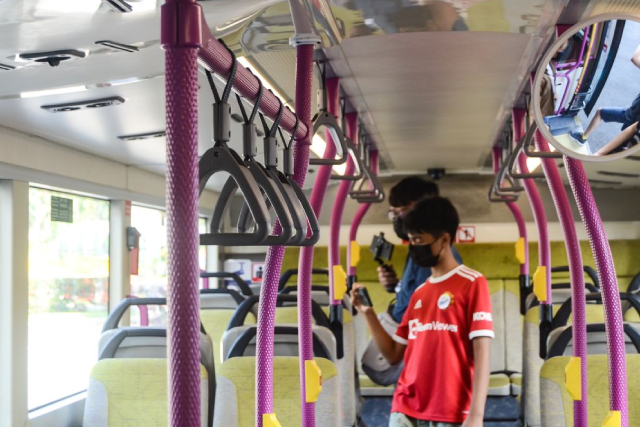
Group travel can be one of the most meaningful ways to spend time together. Whether it is a school outing, a family reunion, a community event or a religious trip, travelling as a group creates shared memories that last for years. Yet when your group includes both elderly passengers and young children, planning becomes more than just booking tickets and choosing a destination. Comfort, safety and coordination need extra thought.
Start With Thoughtful Planning
Every successful group trip begins with understanding who is travelling. Elderly passengers may have mobility limitations, medical conditions or require frequent rest breaks. Children, on the other hand, need engagement, supervision and sometimes extra patience.
Create a simple list of passengers, noting:
- Mobility concerns
- Medical needs
- Dietary restrictions
- Emergency contacts
- Seating preferences
This does not need to be complicated. A shared spreadsheet or basic document works fine. The goal is to anticipate needs rather than react to problems during the trip.
When planning transport, choosing a reliable private bus company can make a significant difference. Professional drivers who are experienced in handling diverse groups understand that group travel is not just about getting from point A to B. It is about creating a safe and comfortable journey for everyone on board.
Prioritise Comfort For All Ages
Comfort looks different depending on age. Elderly passengers often appreciate:
- Easy boarding access
- Comfortable seating with proper support
- Stable temperatures
- Smooth driving without sudden braking
Children, meanwhile, need:
- Safe seating arrangements
- Enough space to move slightly
- Climate control
- Access to snacks and water
When arranging seating, consider placing elderly passengers closer to the front where boarding and alighting are easier. Children can sit closer to supervising adults to ensure safety and quick assistance if needed.
A well-maintained bus with proper suspension and air-conditioning is not a luxury; it is a necessity when travelling with mixed-age groups.
Build In Buffer Time
Tight schedules create unnecessary stress. Elderly passengers may need more time to board, disembark or use restroom facilities. Children may take longer to organise their belongings or settle into seats.
Build extra time into your itinerary. Arrive earlier than necessary. Plan rest stops. Avoid back-to-back activities without breaks.
Rushing increases the risk of accidents and heightens anxiety. A relaxed schedule allows everyone to travel at a comfortable pace.
Keep Safety Front And Centre
Safety should never be assumed. It must be actively managed.
For elderly passengers:
- Ensure walking aids are stored securely but remain accessible.
- Confirm medications are packed and easily reachable.
- Avoid overcrowded boarding areas.
For children:
- Conduct headcounts regularly.
- Assign group leaders or parent volunteers.
- Brief children on behaviour expectations before departure.
A quick safety talk before departure can set the tone for the trip. Keep it short and friendly. Remind everyone to remain seated while the vehicle is moving and to follow instructions from the driver and organisers.
One simple but often overlooked factor is clear communication. Make sure instructions are easy to understand, especially when giving directions during boarding or disembarking.
Assign Responsible Adults
When children are part of the group, supervision is critical. Assign specific adults to oversee smaller clusters of children. This avoids confusion and ensures accountability.
For elderly passengers, designate helpers who can assist with steps, luggage or mobility aids. Even if the seniors are independent, having someone nearby provides reassurance.
These assigned roles do not have to feel formal. A quick message in a group chat stating who is responsible for whom is enough to keep everyone aligned.
Prepare For Medical Situations
Even on short trips, basic medical preparation matters. Carry a small first-aid kit that includes:
- Plasters
- Antiseptic wipes
- Motion sickness tablets
- Basic pain relief
Check if any elderly passengers have chronic conditions that may require attention during travel. It may be helpful to keep emergency contact details easily accessible.
For children, ensure that allergies are clearly communicated to organisers. Keep necessary medication such as inhalers or EpiPens within reach, not packed away in luggage compartments.
Planning for emergencies does not mean expecting them. It simply means you are ready if something unexpected happens.
Keep Children Engaged
Children have shorter attention spans. Long journeys can lead to boredom, restlessness and noise that may disturb elderly passengers.
Encourage parents or teachers to prepare small activity packs. These can include:
- Colouring books
- Storybooks
- Puzzle games
- Headphones for quiet entertainment
Setting expectations before departure also helps. Explain that the journey is shared with seniors who may prefer a calmer environment.
A peaceful bus ride benefits everyone.
Coordinate Boarding And Alighting
Boarding and alighting are often the most chaotic parts of group travel.
Consider these practical steps:
1. Allow elderly passengers to board first.
2. Ensure children remain seated until instructed to move.
3. Assign adults to stand at both the front and rear doors during stops.
4. Conduct headcounts immediately after boarding.
Avoid letting the group scatter upon arrival. Establish a clear meeting point before anyone steps off the bus. Organisation during these transition moments prevents confusion and keeps everyone safe.
Communicate With The Driver
The driver plays a central role in ensuring a smooth journey. Share your itinerary clearly. Inform them about elderly passengers who may require extra care during stops.
If your group includes children, let the driver know the approximate age range. This helps them anticipate potential noise levels and maintain a driving style that prioritises comfort.
Professional drivers appreciate advance notice. It allows them to prepare mentally and logistically for the group’s needs.
Keep The Journey Positive
Attitude matters. If organisers remain calm and flexible, the group will mirror that energy.
Unexpected delays may happen. Weather can change. Traffic might slow progress. Focus on what you can control: preparation, communication and patience.
Celebrate small successes. A smooth boarding process or a quiet journey deserves recognition. Group travel is not about perfection, it is about shared experiences.
Conclusion
Managing elderly and child passengers in group travel requires planning, empathy and coordination. By anticipating needs, prioritising comfort, building in buffer time and maintaining safety protocols, you can create a journey that feels smooth and enjoyable for everyone involved.
Whether you are organising a school trip, a community outing or a multi-generational family event, partnering with experienced transport professionals makes all the difference. If you are looking for reliable group transport that understands the importance of safety and comfort, consider reaching out to A&S Transit. Our team can help you plan a journey that keeps every passenger, young and old, travelling with confidence.
