
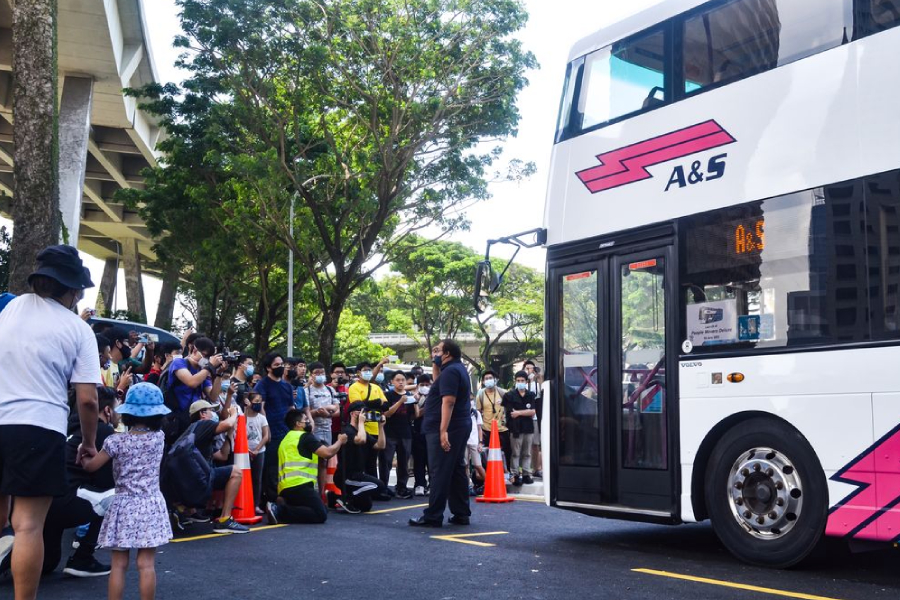
The landscape of urban transportation is constantly evolving, and Singapore’s ever-expanding Mass Rapid Transit (MRT) network is one of the most significant drivers of change. With new MRT lines and extensions on the horizon, workers, employers and transport providers alike are reevaluating how daily commutes and workforce mobility will be impacted. For many industries and businesses, especially those located outside of core city areas or during non-peak hours, the ripple effects from MRT expansion present both challenges and opportunities.
This article explores how MRT expansions will influence worker transport needs in Singapore and what it means for employees, employers, and supplementary transport services.
Transforming Commute Patterns
One of the most noticeable effects of expanding MRT networks is the alteration of daily commute patterns. As new stations open, areas that were once considered remote or less accessible become connected to the city’s transport backbone. This inevitably shifts where workers choose to live and work.
For example, employees living in suburban areas may find that an MRT extension dramatically reduces travel time to their workplace, making previously long commutes more manageable. Conversely, workers in locations where MRT access is still limited may continue to rely on other modes of transportation. Companies must therefore anticipate changes in commuter preference and plan accordingly.
Impact on Peak and Off-Peak Travel
With greater accessibility comes changes in peak and off-peak travel demand. MRT expansions can redistribute passenger flow, easing congestion in some areas while increasing it in others. Workers who travel outside traditional peak hours, such as those in shift work, logistics, or healthcare, may experience improved comfort on trains due to greater capacity and alternative routes.
However, during peak periods, increased ridership could still put pressure on MRT services, especially at interchange stations where multiple lines converge. Employers might need to consider flexible working hours to spread demand more evenly across the day. Moreover, supplementary transport solutions may remain essential for addressing last-mile gaps and routes that are not conveniently served by rail.
Redefining Accessibility for Peripheral Work Sites
While MRT expansions enhance connectivity in many regions, not all work sites will be directly served by rail. Industrial parks, construction sites, and business hubs located away from MRT lines often rely on feeder services or private transport. In these cases, transport needs do not disappear—they evolve.
For instance, workers heading to areas like Tuas, Woodlands, or Changi Business Park might use a combination of MRT and bus charter services to reach their workplaces efficiently. Businesses located in such areas may therefore need to collaborate with transport providers to ensure seamless multi-modal journeys for their staff.
The Role of Last-Mile Mobility
Even with extensive MRT coverage, last-mile connectivity remains a crucial consideration. Workers typically need to travel from the nearest station to their workplace or home. Inadequate last-mile options can dissuade employees from using public transport altogether.
Here, flexible transport solutions play an important role. Organisations may also explore bus rental in Singapore to facilitate reliable connections from MRT stations to work sites, particularly in areas where traditional public bus services are sparse or inefficient. Such services can be especially valuable for shift workers who require transport outside standard bus timetables.
Workforce Distribution and Residential Choices
MRT expansions influence where people choose to live. Improved accessibility often leads to increased demand for residential properties near new stations. Workers may opt to relocate closer to these hubs, reducing commute times and enhancing quality of life.
From an employer’s perspective, this trend might broaden the geographic distribution of talent. Companies could find it easier to recruit from a wider pool of candidates who are willing to travel to work if convenient MRT access exists. On the other hand, rising property prices near MRT stations might also introduce challenges for lower-income workers seeking affordable housing.
Environmental and Economic Implications
Expanding MRT networks contribute significantly to Singapore’s environmental goals by encouraging public transport use over private vehicle dependency. More workers choosing rail travel translates to fewer cars on the road, reduced carbon emissions, and improved air quality—outcomes that benefit society at large.
From an economic standpoint, enhanced transport connectivity can stimulate business growth in previously underdeveloped areas. New MRT lines often catalyse commercial activity, attracting investments and boosting employment opportunities. Workers stand to benefit from a more dynamic economy, while employers may find easier access to markets and workforce talent.
Organisational Strategies for Transport Planning
Organisations need proactive strategies to adapt to changing transport landscapes. Comprehensive transport planning that anticipates MRT expansion timelines can help businesses optimise staff mobility and operational efficiency.
Employers might conduct employee surveys to understand commuting preferences and pain points. Based on this data, they could design tailored transport solutions that blend MRT usage with other modes. For example, a hybrid model where workers use MRT for the bulk of their journey but transition to company-arranged bus services for the final leg could strike the perfect balance between convenience and cost-effectiveness.
In addition, companies should monitor government announcements related to new MRT developments and assess potential impacts on workforce distribution. Collaboration with transport providers can ensure that supplementary services align with evolving commuter routes, schedules, and demand.
Preparing for the Future of Workforce Mobility
In a rapidly evolving urban environment, transport needs will continue to shift. MRT expansions represent a significant step toward a more interconnected Singapore, but they are not a silver bullet. Businesses, workers, and transport providers must work collaboratively to ensure that mobility solutions remain responsive and inclusive.
Flexibility will be key. Organisations that embrace multi-modal transport strategies and invest in adaptable solutions will be better positioned to meet the changing needs of their workforce. Furthermore, fostering dialogue between stakeholders, including employees, transport authorities, and service providers, can lead to more sustainable and effective outcomes.
Conclusion
As Singapore’s MRT network continues to grow, the implications for worker transport are profound. From shifting commuting patterns and improved accessibility to the need for robust last-mile solutions, the effects will be felt across sectors. Employers have an opportunity to rethink transport strategies and embrace innovative approaches that blend rail connectivity with other services like bus charter and flexible transport options where appropriate.
For companies seeking reliable and tailored transport support, A&S Transit specialises in professional bus charter services designed to meet evolving workforce mobility needs. From organising dedicated employee shuttle routes to bridging connectivity gaps between MRT stations and work sites, A&S Transit helps businesses adapt confidently to transport changes, ensuring smooth, efficient and dependable commutes for their teams.
