
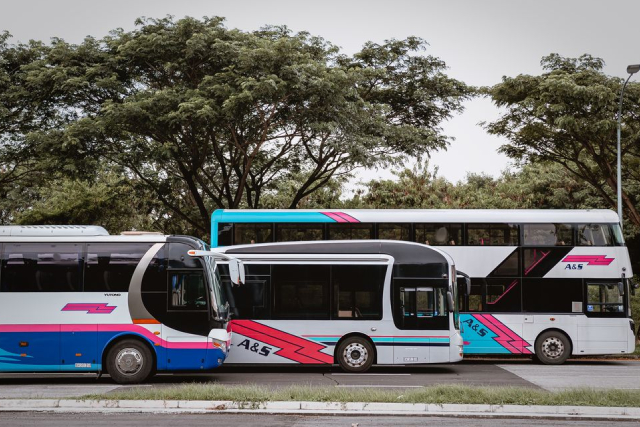
Worker transportation during peak hours is a critical aspect of daily operations for many companies, especially those with large workforces or industrial sites located in more remote areas. Ensuring that employees arrive safely, punctually, and without stress can significantly impact morale, productivity, and overall business efficiency. As urban infrastructure and road congestion continue to pose challenges, companies need structured and well-managed transport plans to stay ahead.
Understanding the challenges of peak hour transport
Rush hour travel is often unpredictable. Traffic bottlenecks, inconsistent public transport schedules, and unexpected delays can make it difficult for employees to reach their workplaces on time. For businesses operating on strict shift schedules or within high-output environments, even a minor delay can ripple into missed deadlines or reduced output.
Beyond punctuality, comfort is another concern. Standing in crowded public trains or buses for long durations isn’t just unpleasant—it can contribute to fatigue before the workday even begins. By addressing these pain points, employers can enhance the overall experience of commuting for their teams.
Why a structured transport system matters
A dedicated transportation solution allows employers to manage arrivals and departures more efficiently. When employees are ferried together on scheduled routes, operations become more predictable and manageable. It also simplifies the onboarding of new hires, especially in larger firms, as the logistics are already well established.
A company-organised transport system helps build a sense of community too. When workers travel together regularly, it fosters camaraderie and communication, particularly in industries where teamwork is essential. Additionally, by reducing reliance on personal vehicles, such systems can indirectly contribute to reduced road congestion and environmental impact.
Planning routes and schedules that make sense
A key element of efficient transport planning is route optimisation. Identifying the residential zones of most workers allows companies to create centralised pick-up points and direct routes to the worksite. Technology can assist in refining these routes—GPS data, traffic analytics, and historical congestion trends help build smarter, faster transit plans.
Timing is equally important. Workers need sufficient buffer time for boarding, disembarking, and preparing for their shifts. Coordinated transport should account not only for average traffic patterns but also allow flexibility for seasonal or weather-related disruptions.
Choosing the right fleet for worker groups
Selecting the appropriate vehicle type is crucial. For larger groups, opting for a 40-seater bus ensures that everyone travels comfortably in a single trip, avoiding the inefficiencies of splitting staff across multiple smaller vehicles. These buses offer ample space for seated travel, storage compartments for work gear, and on some models, air-conditioning or other comfort features—making long commutes more bearable.
A well-maintained and modern fleet not only boosts employee satisfaction but also reduces the risk of delays due to mechanical issues. Businesses should regularly inspect their hired vehicles and work with transport providers who prioritise safety, punctuality, and cleanliness.
Why flexibility and backup plans are essential
No matter how well a schedule is planned, disruptions are always a possibility. Road accidents, vehicle breakdowns, or last-minute staff changes can derail a seemingly foolproof plan. Having contingency options—such as standby vehicles or alternative routes—ensures that operations continue smoothly.
Additionally, feedback loops are vital. Allowing employees to share their experiences helps refine the system. Perhaps a stop needs to be moved closer to a high-density housing estate, or certain buses consistently run late due to a problematic junction. Responsive planning ensures the transport system evolves with the company’s needs.
Working with experienced transport providers
Rather than managing logistics internally, many companies choose to collaborate with professional transport providers who specialise in bus rental in Singapore. These companies understand the nuances of local traffic conditions, compliance requirements, and fleet maintenance, enabling a seamless transport experience.
An experienced transport partner brings operational expertise, real-time support, and the capacity to scale services as your workforce grows. Their involvement means fewer headaches for HR or administrative teams, and greater consistency for employees.
Measuring the impact on operations
Quantifying the effectiveness of a coordinated transport system can be eye-opening. Companies often notice improved attendance rates, enhanced punctuality, and even reductions in shift handover issues. Beyond logistics, it can also become a strong incentive for recruitment—especially in industries where access to worksites might otherwise be difficult.
Regular audits, attendance tracking, and even informal worker feedback can help assess the value being delivered by the transport system. As companies focus on retaining talent and creating positive workplace environments, streamlined commuting is a key piece of the puzzle.
Conclusion
Efficient worker transport during peak hours requires more than just buses on the road—it demands thoughtful planning, real-time coordination, and a deep understanding of both workforce needs and urban infrastructure. With the right systems in place, companies can ensure that every employee starts and ends their day with greater ease and reliability.
For businesses looking to implement or upgrade their worker transport arrangements, A&S Transit offers customised solutions backed by a modern fleet and years of industry expertise.
