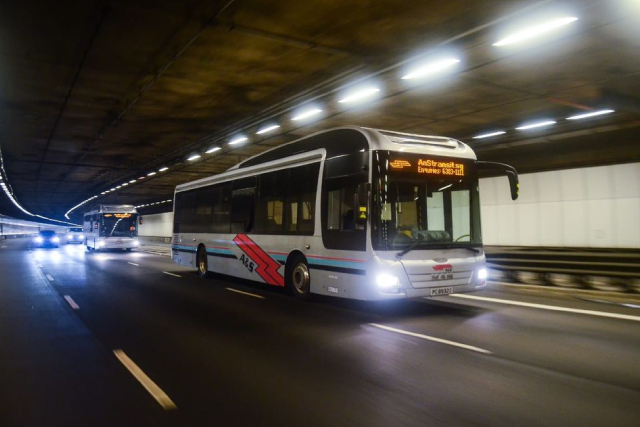
Working at remote sites comes with its own unique set of logistical challenges. Whether it is a construction project in an industrial zone, an offshore support site, or a facility located far away from urban areas, transporting workers safely and efficiently is critical. Without proper planning, transportation can quickly become a source of delays, stress, or even safety hazards.
From safety considerations to scheduling, these guidelines will help you ensure smoother journeys and happier workers.
1. Prioritise Safety At Waiting And Boarding Points
When arranging transport for workers, one of the most overlooked aspects is the waiting and boarding area. Workers should never have to gather on unsafe roadsides, exposed open spaces, or locations without proper shelter. The waiting point sets the tone for the entire journey and can affect both safety and morale.
Companies should:
- Choose areas with sufficient lighting, especially for early morning or late-night shifts.
- Ensure the space is large enough for groups to gather without blocking traffic or creating hazards.
- Provide basic shelter against rain or strong sunlight.
- Install clear signage so workers know exactly where to assemble.
Drivers must also be briefed on where to stop and how to approach the pickup zone safely. If the site has gates or checkpoints, coordinate with security staff to avoid congestion. These small steps reduce the risk of accidents and create a more organised transport process.
2. Choose Vehicles That Suit The Group Size And Conditions
The choice of vehicle has a major impact on the quality of the journey. For larger groups, opting for a 40-seater bus rental often makes more sense than deploying several smaller vans. Larger buses help reduce traffic congestion, lower fuel costs per passenger, and streamline coordination.
However, capacity is only part of the decision. Companies also need to evaluate:
- Road conditions: Will vehicles need to travel on narrow roads, rough terrain, or steep inclines? Choose the right bus type or minibuses that can handle such environments.
- Distance and duration: For journeys exceeding an hour, vehicles should have air-conditioning, comfortable seating, and secure storage for bags or equipment.
- Safety features: Seat belts, emergency exits, and regular maintenance checks are non-negotiable.
Matching the vehicle type to both the workforce size and the site conditions ensures that workers travel comfortably and arrive ready to perform their tasks.
3. Plan Routes And Scheduling Carefully
Remote worksites are often located far from the city centre, which can mean unpredictable traffic or long travel hours. Poorly planned routes can lead to late arrivals, wasted hours, and tired workers. To avoid these issues:
- Use mapping technology: GPS, traffic monitoring apps, and real-time analytics can help determine the most efficient paths.
- Avoid known problem areas: If certain roads are prone to jams or flooding, factor in detours.
- Add buffer time: Always allow extra minutes in the schedule to account for unplanned disruptions like road closures or bad weather.
- Synchronise with shift times: Workers should not arrive excessively early, which can cause fatigue, nor too late, which delays operations.
Some companies also find it useful to stagger transport schedules for different teams to reduce crowding and improve efficiency. Well-thought-out planning not only saves time but also builds trust between management and staff.
4. Maintain Open Communication With Workers And Drivers
Good communication is vital in transport management, especially when workers are spread across remote locations. Miscommunication about pickup points or schedule changes can result in delays, wasted resources, or stranded staff.
To ensure smoother coordination:
- Establish clear channels of communication, such as group chats or SMS alerts.
- Update workers promptly on any delays or changes in route.
- Provide drivers with detailed maps, schedules, and emergency contact numbers.
- Encourage feedback from both workers and drivers, as they can highlight recurring problems like unsafe stops or uncomfortable travel conditions.
Some organisations also designate a transport coordinator who serves as the point of contact between the company, drivers, and workers. This person ensures everyone stays informed and issues are resolved quickly.
5. Engage Reliable Transport Partners And Backup Plans
Managing a transport fleet in-house requires resources, maintenance, and skilled drivers. For many businesses, outsourcing to a professional provider offers greater flexibility and reliability. Partnering with a reputable company that offers bus charter in Singapore allows businesses to focus on operations while leaving fleet management to experts.
Experienced transport providers bring several advantages:
- Regularly serviced vehicles that meet safety standards.
- Professional drivers who understand traffic laws and have experience with long-distance or challenging routes.
- A range of vehicle options suitable for different group sizes and site conditions.
- Backup support in case of breakdowns or unexpected issues.
It is equally important to have contingency plans. Backup vehicles and alternative routes should be ready in case the main arrangements fall through. A good transport partner will include such options in their service agreements, ensuring minimal disruption.
Additional Considerations For Remote Site Transport
While the five tips above cover the core aspects, a few additional practices can further improve the transport experience:
- Health and hygiene: Provide sanitiser, ensure regular cleaning of vehicles, and maintain proper ventilation, especially in long-haul journeys.
- Worker comfort: Simple amenities like water bottles, USB charging points, or reclining seats can make travel less tiring.
- Emergency preparedness: Equip vehicles with first aid kits and ensure drivers are trained to respond to basic medical emergencies.
- Sustainability: Where possible, explore eco-friendly transport options or route consolidation to reduce carbon emissions.
Attention to these details demonstrates care for workers and supports the company’s long-term reputation.
Conclusion
Transporting workers to remote sites is more than a logistical exercise—it is an essential part of workplace safety, efficiency, and morale. By prioritising safe waiting zones, choosing the right vehicles, planning routes carefully, keeping communication open, and working with reliable partners, businesses can overcome the challenges that come with remote locations.
For organisations looking for dependable transport solutions, A&S Transit provides a trusted partner. With a modern fleet, experienced drivers, and tailored services designed for both urban and remote environments, A&S Transit ensures that workers arrive on site safely and on time. Visit A&S Transit to learn more about how our expertise can support your company’s transport needs.